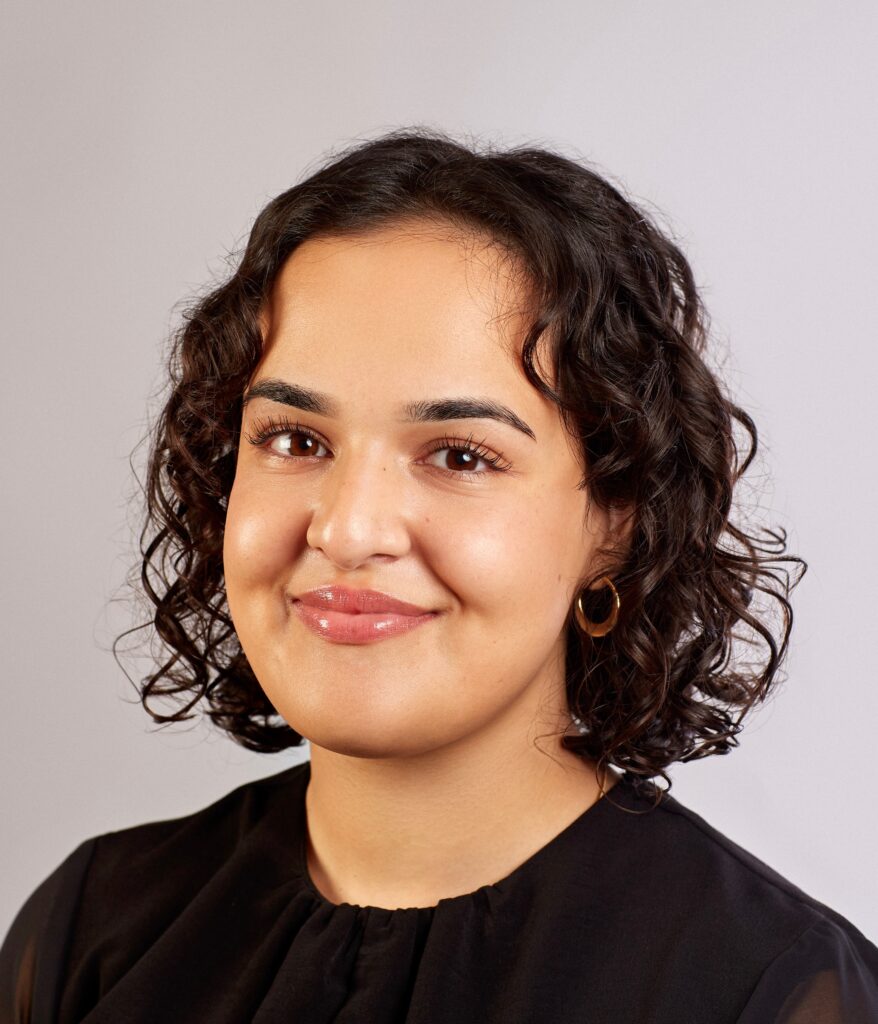
Nottingham East MP Nadia Whittome details her work to oppose conversion therapy.
We are now on our third Prime Minister since the Tories first pledged to eradicate conversion therapy. Promises have been repeatedly made then kicked into the long grass, and thousands of LGBTQ+ people have remained at risk.
Earlier this year, still as Prime Minister, Boris Johnson decided to abandon the pledge altogether, before making yet another shambolic u-turn just hours later. But while the long-awaited ban was back on the table, it was announced that it would exclude transgender people – the very people who are at highest risk from the practice. According to the government’s own National LGBT Survey, trans people are twice as likely as cisgender gay, lesbian or bisexual people to have undergone conversion therapy.
The government claimed that the issue of trans conversion therapy was “too complex” to be included in the ban – but to me, the question is simple. If reparative therapy is “abhorrent” for gay, lesbian and bisexual people, as Boris Johnson rightly said, it’s not acceptable for trans people either. You can’t pray the gay away, and neither can you wish trans people out of existence.
Equally troubling was the exclusion from the ban of “consenting” adults. Alleging that it is possible to consent to conversion therapy – which has been described as torture by the UN’s LGBT+ rights expert Victor Madrigal-Borloz – only serves to legitimise this abuse. There is no scientific basis for this kind of “treatment”, and its harms are well documented: including sometimes lifelong psychological scars, depression, even suicide.
Together with fellow LGBTQ MPs and our allies in Parliament, I have challenged the Tories on their betrayal of our community. With my colleague Kate Osborne, I submitted an amendment to the Queen’s Speech, trying to force a vote on a comprehensive ban: in ifs, no buts, no loopholes. While the amendment wasn’t selected, I have continued raising this issue in parliamentary debates and in the media, and will carry on doing so when Parliament returns.
With a new government in place, the struggle for a complete ban starts again. So far, there is nothing to indicate that it will get any easier. During the recent Tory leadership election, as the country was facing a cost of living crisis of historic proportions, candidates for Prime Minister competed over who could attack trans people most. Over the course of the eight-week contest, we heard more about genitals and toilets than we did about concrete measures to help people pay their bills. New PM Liz Truss was happy to appoint to her Cabinet people like Therese Coffey and Jacob Rees-Mogg, known opponents of same-sex marriage, as well as many outspoken critics of trans rights.
But just because the political landscape is difficult, it doesn’t mean that we should give up; quite the opposite. In a climate of rising transphobia in politics and the media, which mirrors so many familiar tropes used against gay and bi people in decades gone by, it’s crucial for our community to stand together and fight back.
The longer the government hides behind excuses, the longer queer and trans people in this country will be subjected to degrading, pseudoscientific and traumatising “therapies”. While the UK is dragging its feet, countries like France and Canada have already banned conversion therapy with no exceptions. In the year 2022, it’s high time we left this barbaric practice behind for good.


